Phyllis
Vessel Name: Phyllis
Rose, tender
2 unnamed Malay crew
Drowned; bodies not recovered
27 April 1908
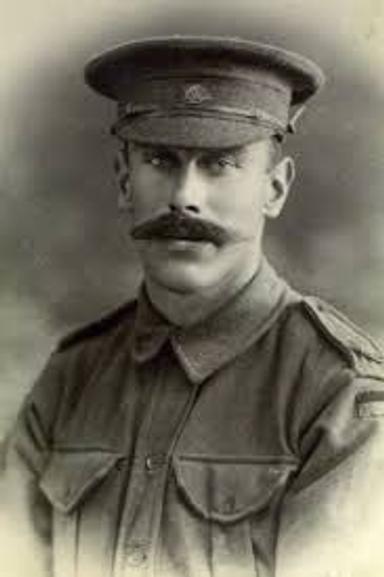
Beresford Bardwell, courtesy of Museums Victoria
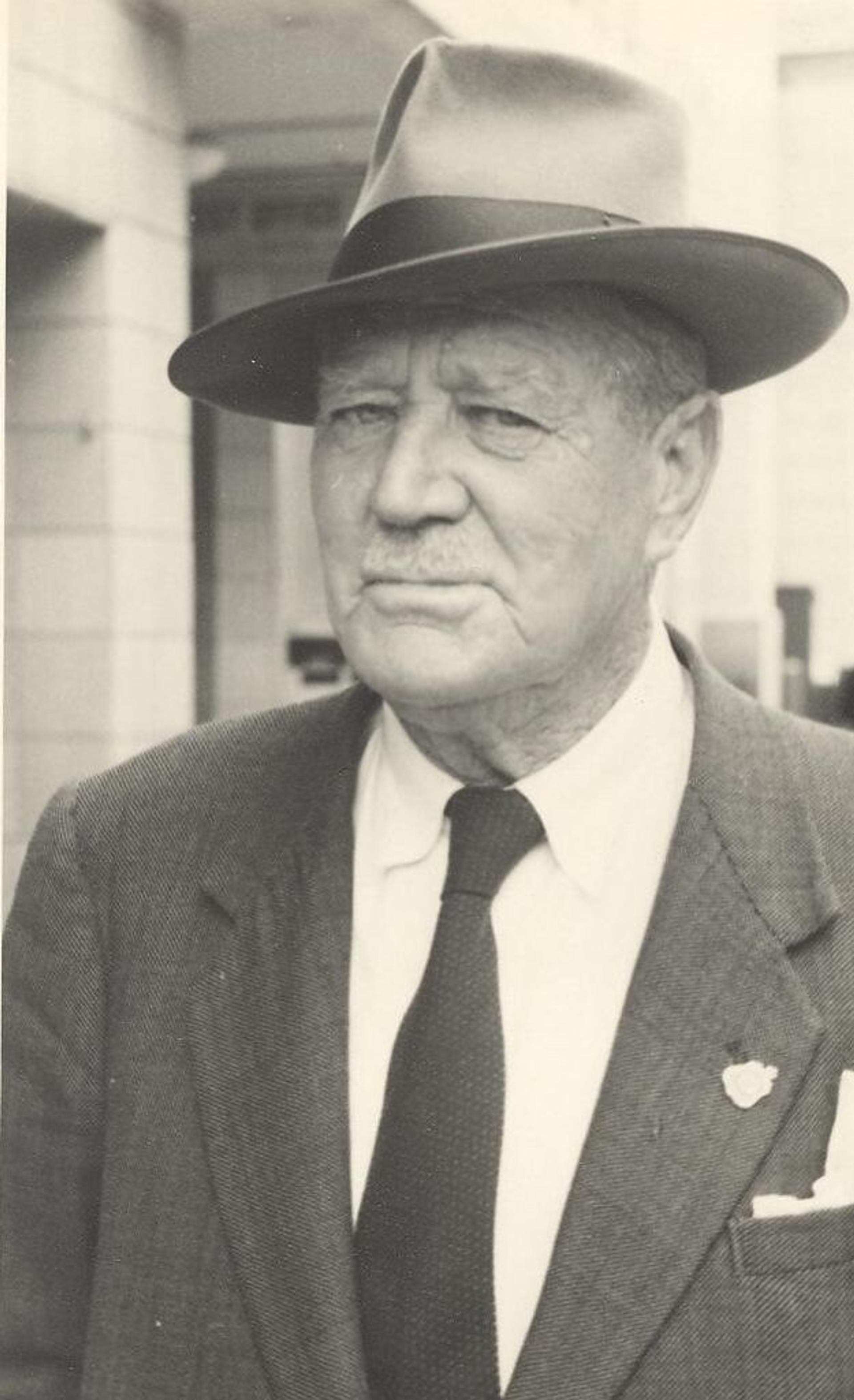
Beresford Bardwell, courtesy of Museums Victoria
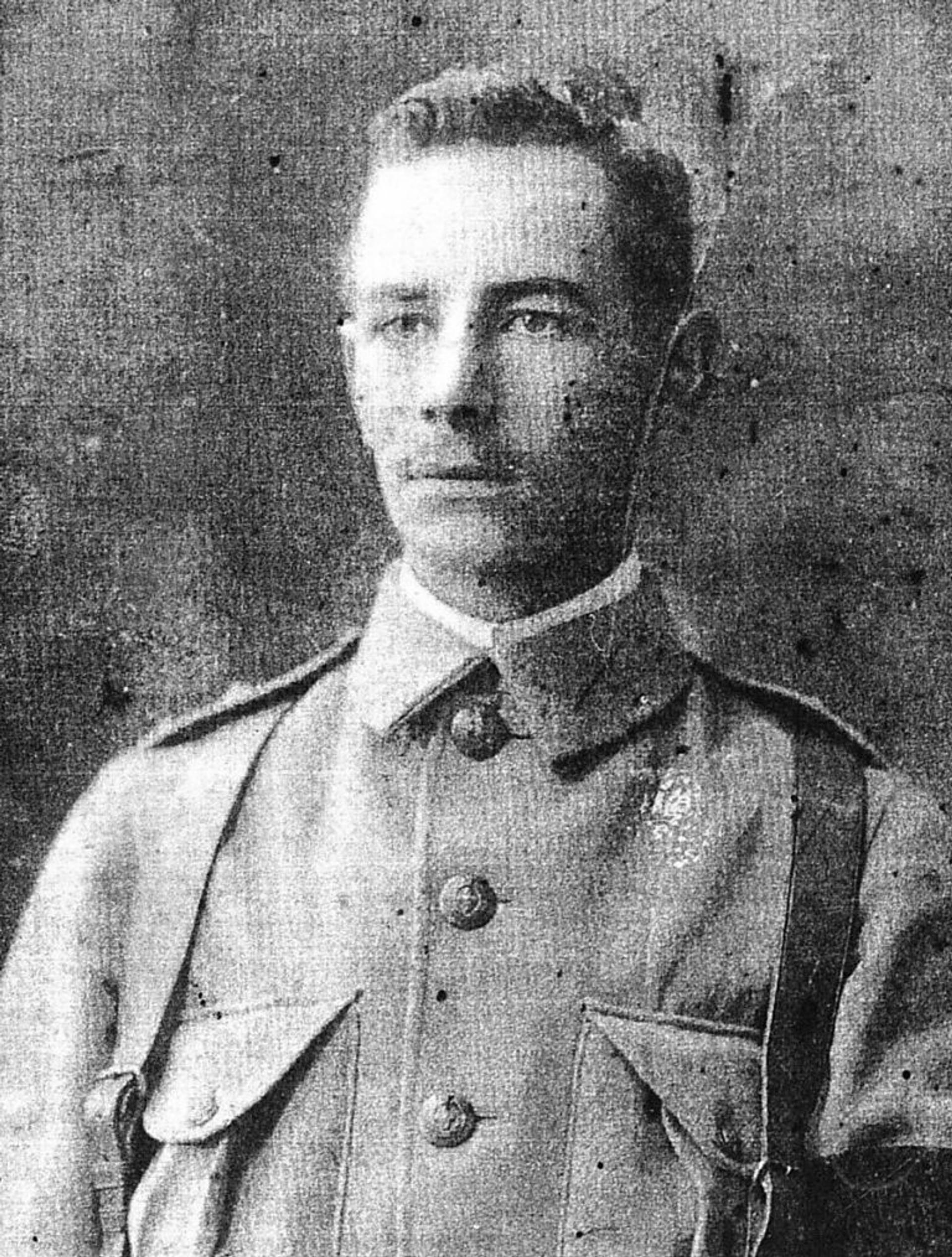
Bernard Bardwell, courtesy of Caulfield Grammarians' Association
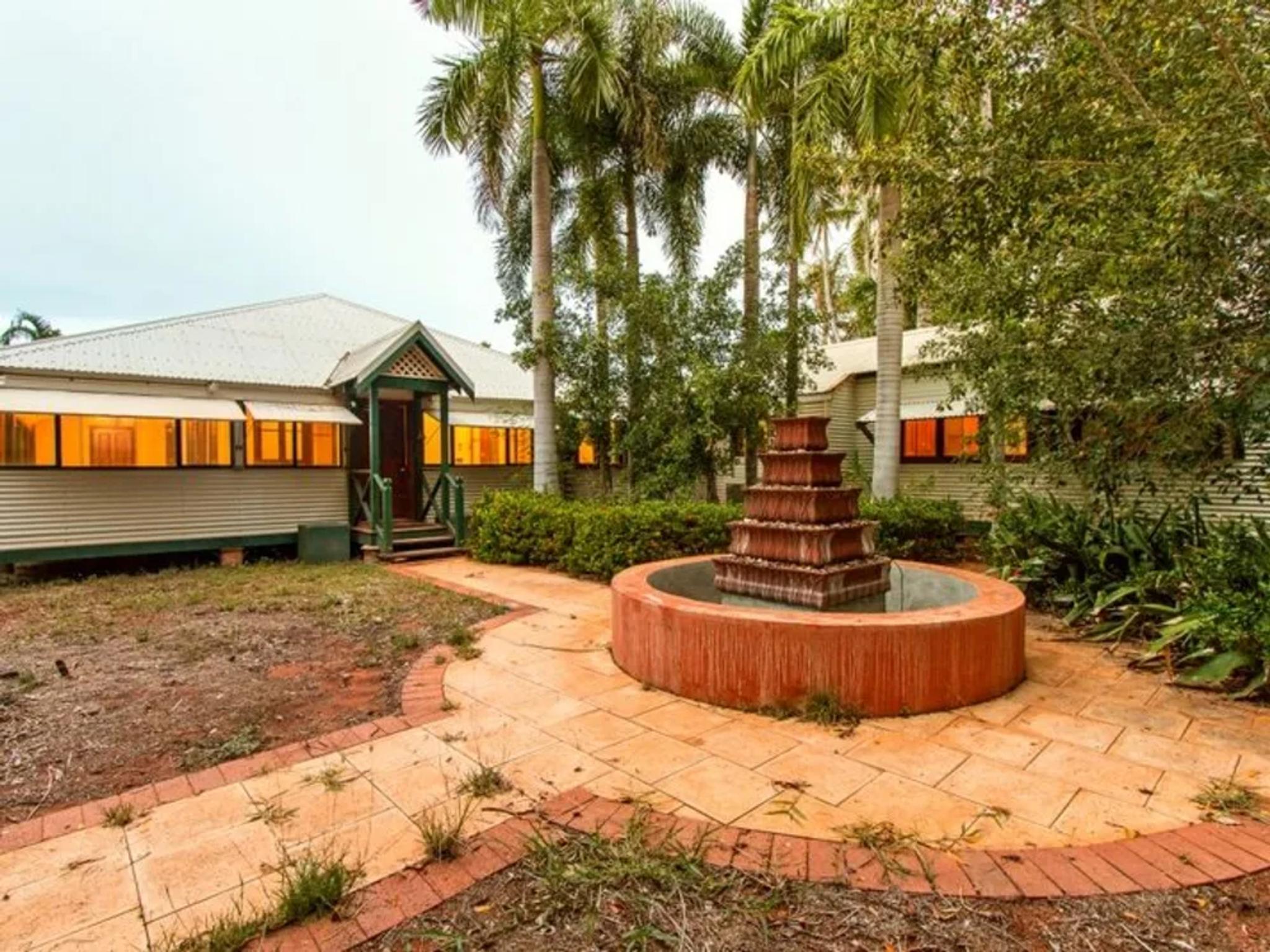
Beresford Bardwell's residence built in 1910
The Phyllis was a pearling schooner with a crew of eight crew members, and master Beresford Bardwell. Beresford and his brother Bernard were the sons of Everett and Frances [Fanny] Peck. Everett was a lawyer, who transferred with his wife and family from Melbourne to Western Australia in 1897.
Bernard and younger brother Beresford became master pearlers who owned the schooners Phyllis and Hebe and a small fleet of luggers. Phyllis was named after their sister. The brothers hired indentured Malay crews and Japanese divers on their luggers.
Beresford had a Malay tender called Rose. That was not his birth name, but an anglicised version which was easier for the European record keepers. His true name was not recorded. Rose worked with Beresford aboard Phyllis for many years. The Malay crew members were not individually recorded either.
Bernard had served as a Lieutenant during the Boer War from 1900 to 1903 in the mounted infantry after enlisting at the age of 16 years.
Phyllis was built in Fremantle by W Massey in 1903 for Frank Biddles. She was a typical two-masted schooner with a 12.67 tonnage. Her dimensions w ere 35.9 x 11.6 x 4.8 feet [10.9 x 3.4 x 1.5 metres]. Her official number was 118572.She was registered in Fremantle 41/1903. In 1908 the Phyllis was owned by the Victorian Shelling Company in Broome operated by the Bardwell brothers.
At the end of April 1908, a cyclone was brewing off the northwest coast. Beresford read the plummeting barometer and deteriorating conditions and steered south heading for the shelter for Bossut Creek.
The crew dropped two heavy anchors and 120 fathoms [220 metres] of chain. Long chains acted as shock absorbers against the huge rises of the waves. As the gale increased Beresford struggled to keep the bow pointing into the gale, attempting to keep the wind from striking the side of the boat.
Despite the crew’s efforts the wind did strike her broadside, and she stood on her beam ends. She had a shallow draft, as luggers did, and lacking a deep heavy keep she lacked the stability to right herself. She remained upright for a few minutes, long enough to take on water.
The crew shifted everything heavy on the deck to shift the balance and managed to right the boat. The eye passed over her and for a moment they thought they may have saved the boat.
The cyclone blew in the reverse direction shortly after, and having taken on too much water, Phyllis rolled under the weight of a huge wave which struck her side. Her masts met the water, and she sank in a few minutes. Rose and Beresford continued to shift the weight of the vessel, trying to keep her afloat.
As she sank Rose refused to give up. Instead of abandoning the boat, he selflessly stayed on board to allow the crew to get free of her. His loyalty cost him his life and he drowned.
Beresford and the two Japanese divers managed to grasp debris as the boat went down at 1.30am. They clung on during the night in crushing seas. At daybreak they saw land and swam towards the shore. They made it to the beach exhausted and too weak to stand. They had survived and were aided by Aboriginal people who set a fire and rubbed their skin to warm them.
In the mayhem that followed the cyclone 20 schooners were lost with their luggers and scores of crew members. Bodies found on the beach or in the water were buried above the high tide line in the sand, most without being identified. The bodies of the three men from the Phyllis were not found, although they may have been buried by survivors without being identified.
A few days later Beresford wrote to his mother describing his ordeal. He told her about the boat standing on end, filling with water, and sinking. He wrote emotionally about the loss of Rose and how he had fought to keep the boat afloat and the crew alive. He told her how he felt about clinging to a hatch cover overnight and doubting he could keep swimming at the end. He rated Rose as one of the best tenders in the northwest.
Newspapers took up the story of Rose’s valiant efforts and without knowing his true name, he was called the “Heroic Malay” in front page stories across the country. They wrote about the indentured Malay seaman who took care of the divers in his crew, operating their air pumps, handling their lifelines and air hoses while they were on the seabed, and finally, helping to keep them alive when Phyllis sank.
The wreck of the Phyllis was not found for 85 years. She was discovered in 1993 by Eric Christiansen and a team of researchers and divers.
Beresford served in Gallipoli. He enlisted in the Australian Infantry in Geraldton at the start of the war and was among the first battalions to be deployed. He served valiantly as a captain. He was sent home in 1918 with his third wound and gas poisoning. Bernard re-enlisted as a Captain into the Australian Infantry during WW1, aged 33 years.
The brothers returned to Broome and resumed their pearling operations.
In 1920 one of Beresford’s Japanese divers brought up a pearl the size of his thumb nail. It was worth £4000, which is over $400,000 in Australian dollars in 2026. Beresford clipped the pearl into his mouth unseen by anyone aboard, until he got it safely ashore.
The Bardwell’s sailmaker, Charles Bagge, had a shed in Broome from 1907. The shed is conserved as a heritage building and has been repurposed. It is still used today.
Bernard became a Fisheries Inspector in Broome in 1935 until he died in 1955.He and Phyllis were keen conchologists [shell collectors]. Bernard’s formidable-sized collection is now in the National Museum. Phyllis’ own collection remains in Broome. Beresford became the Broome Harbour Master in 1926.He retired in the mid 1930s and moved to Perth with his wife Katie Sefton Taylor and their children. He died in 1961.